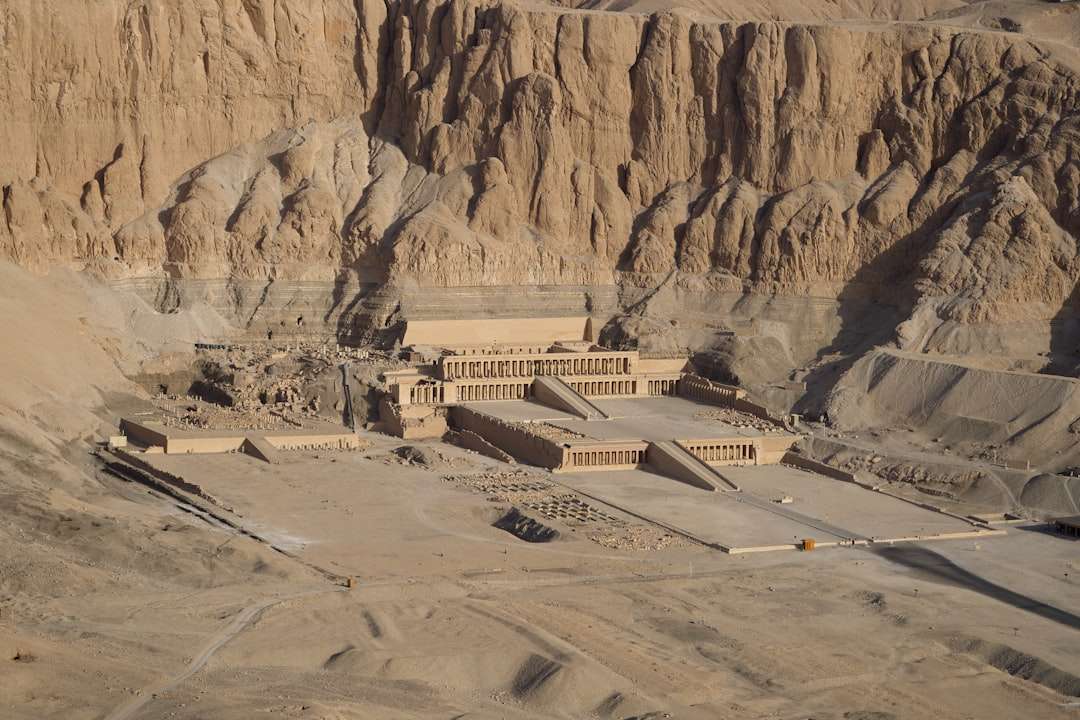
Explore Luxor's Ancient Wonders
Nestled along the banks of the Nile River, Luxor stands as a living testament to Egypt's golden age. For travelers with a passion for history, this city offers an unparalleled journey into the heart of the ancient kingdom. From awe-inspiring temples to the grand resting places of pharaohs, Luxor is a treasure trove of archaeological wonders just waiting to be explored.
The Timeless Majesty of Karnak Temple
Karnak Temple, the largest religious building ever constructed, is a complex that truly showcases the architectural genius of ancient Egypt. Walking through the grand Hypostyle Hall, with its towering columns adorned with intricate hieroglyphs, one can only imagine the temple's significance in its heyday. Devoted primarily to the god Amun-Ra, Karnak represents a timeline of continuous construction by succeeding pharaohs, making it a site not to miss.
As you wander through its halls, don't forget to visit the Sacred Lake and the giant scarab beetle statue, said to bring good luck if you walk around it seven times.
The Valley of the Kings
The Valley of the Kings is aptly named, as it houses the tombs of Egypt's most renowned pharaohs, including the legendary Tutankhamun. Nestled in the West Bank of Luxor, these burial sites were meticulously carved out of the limestone cliffs. While many of the tombs have been discovered, their splendor endures, with vibrant wall paintings that narrate passages from the Book of the Dead.
Visitors can enter select tombs to witness the beautifully preserved hieroglyphs and paintings, each tomb telling its own unique story of the journey to the afterlife.
Luxor Temple: A Timeless Icon
Standing gracefully at the heart of the city, Luxor Temple is distinguished by its striking avenue of sphinxes that connect it to Karnak Temple. This structure is not just an architectural masterpiece but also a cultural landmark, as it was used continuously as a place of worship throughout various phases of Egyptian history.
Illuminated at night, the temple provides a captivating sight, offering visitors a serene experience that transports them back to the era of pharaohs.
The Tombs of the Nobles
While the Valley of the Kings garners much attention, the Tombs of the Nobles are a gem often overlooked by visitors. These tombs belong to the high-ranking officials and nobles of the New Kingdom. What makes them particularly fascinating are the vivid wall paintings depicting scenes from everyday life, from agriculture to scribes, providing a rich narrative of ancient Egyptian society.
Transport: Navigating Luxor's Historical Sites
Getting around Luxor is relatively easy, thanks to various transportation options. Taxis and local buses are readily available, but for a more authentic experience, consider taking a traditional felucca ride on the Nile.
For those keen on a detailed historical tour, guided tours are recommended as they offer insightful narratives and ensure you cover the must-see sites efficiently.
Best Time to Visit Luxor
Luxor's climate is typically hot and dry, with temperatures soaring during the summer. The ideal time to visit is from October to April when the weather is more temperate, allowing visitors to explore comfortably and enjoy the outdoor attractions.
Practical Tips for Visiting Luxor
- Dress Appropriately: Modest clothing that covers shoulders and knees is recommended, especially when visiting religious sites.
- Hire a Guide: To truly appreciate the history and significance of each site, consider hiring a knowledgeable guide.
- Stay Hydrated: The Egyptian sun can be unforgiving, so always carry water with you as you explore.
- Secure Tickets in Advance: For popular sites like the Valley of the Kings, securing tickets ahead can save time.
Frequently Asked Questions
Is it safe to travel to Luxor?
Luxor is generally considered safe for tourists. As with any travel destination, it's recommended to stay informed about the local situation and follow any travel advisories.
How many days should I spend in Luxor?
To fully appreciate Luxor's rich history, a stay of at least three to four days is ideal. This allows ample time to visit the main archaeological sites and enjoy the local culture.
Are photographs allowed inside the tombs?
Photography rules may vary. In some tombs, photography is prohibited to preserve the ancient paintings, while others may allow it for a fee. It's best to check at each site.
Final Takeaway
Luxor remains one of Egypt's crown jewels, offering a profound glimpse into the antiquities of one of the world's most fascinating civilizations. With its blend of famous and lesser-known sites, this city invites visitors to step back in time and uncover the stories that shaped ancient Egypt. Whether you're captivated by grand temples or intrigued by the mysteries of pharaonic tombs, Luxor promises an unforgettable journey. Equip yourself with the right information and embark on an adventure through Egypt's ancient kingdom.
Comments
No comments yet. Be the first to share your thoughts!