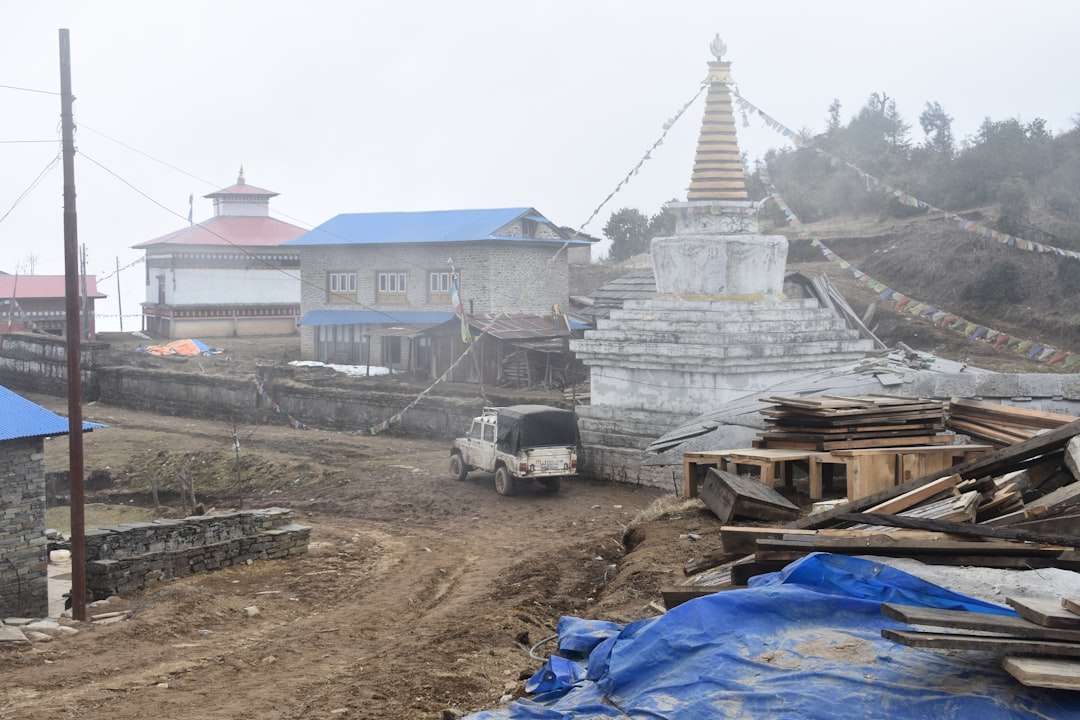
Mastering Financial Planning for Your Nepal Adventure: Budget, Currency, and More
Your Ultimate Guide to Financial Planning for a Nepal Trip
So, you're planning a trip to Nepal? That's fantastic! Whether it's trekking through the majestic Himalayas, exploring the historical charm of Kathmandu, or relaxing in the tranquil landscapes of Pokhara, Nepal has something to offer every traveler. However, to fully immerse yourself in the beauty and culture of this unique country, effective financial planning is crucial. Let's walk through the essentials of budget setting, currency exchange, and managing those pesky international card fees. These insights come not just from research but from the experiences I gathered during my journeys to this enchanting Himalayan nation.
Creating a Realistic Budget for Nepal
Determining your budget begins with what you want from your Nepal adventure. Are you envisioning luxury hotels or cozy guest houses? Guided tours or self-guided exploration? All these choices impact your budget significantly, so start by defining your travel style.
From my travels, I found that budget-conscious backpackers can enjoy Nepal for as little as $20 per day. If you're after more comfort, think around $50-$100 daily. For those seeking luxury, plan for expenses upwards of $200 per day. These estimates cover meals, accommodations, and local transport, but remember to allocate extra for activities like trekking permits, adventure sports, or cultural tours.
Decoding Currency Exchange
The official currency in Nepal is the Nepalese Rupee (NPR). Familiarize yourself with its value against your home currency before you leave. In major cities, you'll find plenty of currency exchange counters, but based on personal experience, I recommend exchanging some money at the airport to cover immediate expenses like a taxi ride or quick meal.
- Always carry small denominations for easier transactions.
- Avoid exchanging currency with unauthorized vendors to steer clear of scams.
- Keep an eye on the exchange rates before your trip and try to exchange at favorable rates.
Exchange rates fluctuate, so utilize online currency converters for the most accurate and current data. This practice served me well in managing immediate expenses and adjusting my budget effectively on a daily basis.
Managing International Card Fees
Using debit or credit cards internationally can lead to unexpected charges. Many cards impose foreign transaction fees, which can add up over a long trip. Before leaving, check with your bank about their policy on international fees. Some travel-friendly cards waive such charges, which can save you a tidy sum.
Despite the prevalence of ATMs in cities like Kathmandu and Pokhara, always carry some cash when traveling to remote areas where electronic payments might be less reliable. From my experience, I learned that having mixed payment options is key. Nepal is increasingly accepting digital payments, but it's not yet uniformly adopted across the country.
Smart Tips for a Stress-Free Financial Experience
Planning your finances doesn't end with budgeting and currency exchange. There are several strategies to ensure you're well-prepared for any unexpected expenses or challenges.
- Have a Contingency Fund: Always set aside a portion of your budget for emergencies or spontaneous adventures. In places like Nepal, impromptu experiences often become the most memorable ones.
- Travel Insurance: Secure comprehensive travel insurance covering medical emergencies, trip cancellations, and theft. It’s a small cost for peace of mind.
- Money Apps & Tools: Use apps like Trail Wallet or XE Currency for real-time expense tracking and currency conversion. These tools saved my budget on countless occasions.
Embrace the Adventure with a Plan
Planning the financial aspects of your trip to Nepal need not be overwhelming. With a well-thought-out budget, familiarity with local currency exchange, and prudent management of international card usage, you're set for a thrilling, stress-free journey. Remember, my first trip was as chaotic as it was magical, but with each visit, I've learned to better maneuver financial nuances. May these insights guide you to make the most of your Nepal experience, allowing you to focus on the rich cultural tapestry and breathtaking landscapes that await.
Comments
No comments yet. Be the first to share your thoughts!