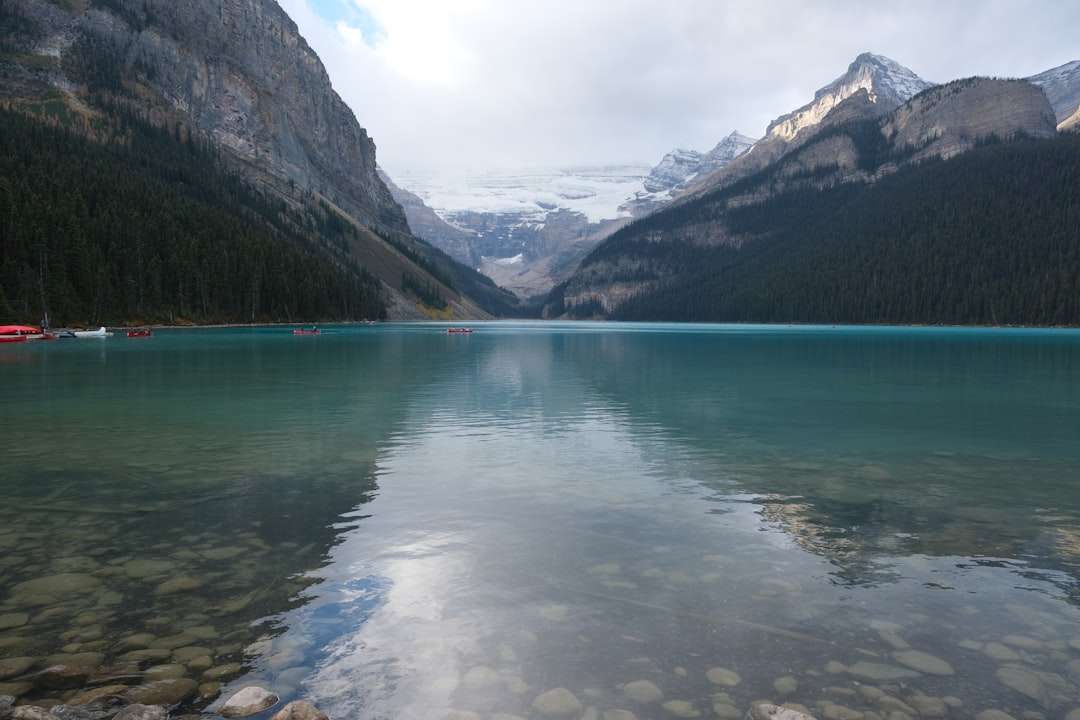
Discover Canada's Nature in National Parks
Canada's vast and diverse landscapes make it a dream destination for nature enthusiasts. Boasting numerous national parks, each offering unique ecological wonders, Canada invites travelers to explore its majestic wilderness, encounter fascinating wildlife, and bask in untouched natural beauty. Whether you're a seasoned adventurer or a peaceful nature lover, Canada's national parks provide countless opportunities for exploration and discovery.
The Allure of Canada's National Parks
Canada's national parks preserve some of the most awe-inspiring landscapes on the planet. From the rugged Rocky Mountains to the pristine shores of the Atlantic, these parks are home to diverse ecosystems and a myriad of flora and fauna.
Each park offers a unique vista. Banff and Jasper, located in Alberta, are famed for their majestic mountain ranges and turquoise glacial lakes. Meanwhile, Gros Morne National Park in Newfoundland & Labrador showcases fascinating geological formations and offers breathtaking coastal views. Whether it's the deep forests of British Columbia or the golden prairies of Manitoba, Canada's national parks are truly a nature lover's paradise.
Wildlife Encounters in the Canadian Wilderness
One of the most thrilling aspects of visiting Canada's national parks is the opportunity to encounter wildlife. The parks are teeming with diverse species, offering a glimpse into the rich biodiversity of the region.
In parks like Riding Mountain in Manitoba, you can spot bison grazing across the plains. British Columbia’s Pacific Rim National Park offers sightings of majestic orcas and other marine wildlife. Parks in the Yukon, like Kluane, are home to grizzly bears, moose, and elusive caribou.
Remember, while wildlife encounters are a highlight, maintaining a respectful distance and following park guidelines is crucial to ensure both your safety and the animals' well-being.
Exploring the Landscape: Trails and Activities
Canada's national parks boast an array of trails suited to different skill levels, offering both novice hikers and experienced trekkers a chance to explore nature's wonders. Each park provides unique trails that showcase distinctive landscapes, from serene lakeside paths to challenging alpine climbs.
- Lake Louise, Banff National Park: Famous for its stunning beauty, the Lake Agnes Tea House trail offers a moderate hike with rewarding views.
- Skyline Trail, Jasper National Park: This challenging but gratifying trek offers spectacular panoramic views of the Rockies.
- Fundy National Park, New Brunswick: Renowned for its dramatic tides, it offers easy nature walks and challenging hikes along its coastal trails.
Beyond hiking, many parks offer activities such as kayaking, wildlife tours, and even snow sports during winter. Embrace adventure or simply enjoy the tranquility that these vast spaces provide.
Preserving the Natural Beauty
Canada's national parks underline the importance of environmental conservation. Visitors are encouraged to follow Leave No Trace principles to minimize their environmental impact. This includes packing out all trash, respecting wildlife habitats, and staying on designated trails.
Participating in park conservation programs, whether through volunteering or awareness activities, provides a deeper understanding of the ecosystem you're exploring. Such efforts are vital in ensuring that future generations can enjoy Canada's natural beauty.
Best Time to Visit Canada's National Parks
The best time to visit varies according to the park and activities you're interested in. Summer, from June to August, is ideal for hiking, wildlife viewing, and camping. In contrast, winter transforms many parks into wonderlands for snowshoeing, skiing, and aurora borealis viewing.
Autumn presents an incredible display of fall foliage, especially in parks like Algonquin and Bruce Peninsula in Ontario. Spring, while wetter, offers fewer crowds and is perfect for those seeking solitude.
FAQs About Canada's National Parks
What should I pack for a trip to Canada’s national parks?
Consider versatile layers, sturdy hiking boots, a waterproof jacket, sunscreen, insect repellent, a map, and a reusable water bottle. The weather is variable, so being prepared is key.
Are national park passes required for entry?
Yes, most national parks require a park pass. Passes can be purchased online or at the park entrance. Consider an annual pass if visiting multiple parks, as it's more economical.
Can I camp anywhere in the parks?
Camping is generally restricted to designated sites. These sites offer amenities and help protect the environment. Some allow backcountry camping, but permits may be required.
How can I ensure a safe wildlife encounter?
Maintain a safe distance, avoid feeding animals, and make noise to avoid surprising any wildlife. Carry bear spray in bear territory and stay informed on recent wildlife notices at park information centers.
Which are lesser-known but beautiful parks worth visiting?
Consider visiting Grasslands National Park in Saskatchewan for its unique prairie landscape, or Waterton Lakes National Park in Alberta for stunning mountain views combined with prairie valleys.
Conclusion: Embrace the Wild
The national parks of Canada offer unparalleled opportunities to connect with nature. From thrilling wildlife encounters to serene hikes through pristine landscapes, these parks provide endless opportunities for exploration and reflection. Whether you're chasing adventure or seeking solace, Canada's national parks prevail as sanctuaries of natural splendor and conservation success.
Comments
No comments yet. Be the first to share your thoughts!