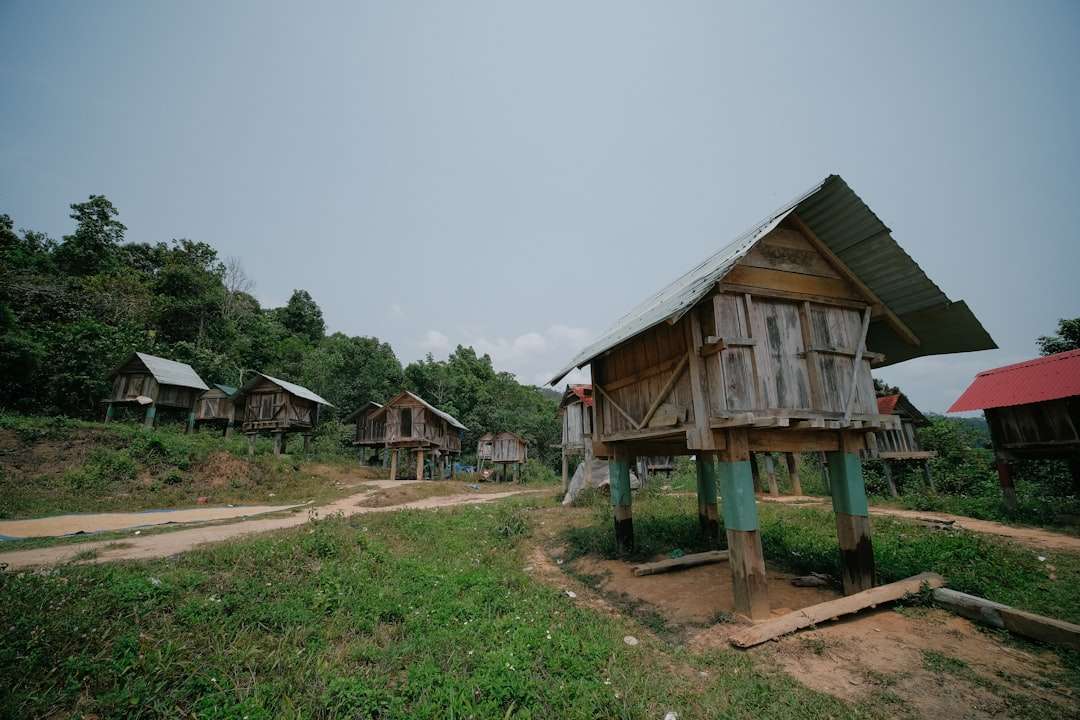
Cultural Etiquette Tips for Your Adventure in Lesser-Known Countries
Embrace the Adventure: Cultural Etiquette Tips for Traveling Off the Beaten Path
Have you ever yearned for an adventure that takes you away from the usual tourist traps and into a world where cultures stand untouched by mass tourism? If you're anything like me, you're not just looking for a new stamp in your passport; you're craving a meaningful connection with the places you visit. Embarking on a journey to lesser-known countries offers this and so much more.
However, with this exciting opportunity comes great responsibility — the responsibility to immerse yourself in, understand, and respect the cultural norms of your destination. Dive into these cultural etiquettes tips as you prepare for your off-the-beaten-path travel experience.
Research Before You Go: The Underestimated Power of Preparation
Call me old school, but I firmly believe that a little preparation goes a long way. Before setting foot in a culturally rich but less-charted territory, it's crucial to educate yourself about the local practices. Not all information is available online for these hidden gems, so I recommend checking out travel forums, reaching out to locals through online communities, or reading personal travel blogs.
- Speaking Their Language: Picking up a few key phrases in the local language can open doors to deeper interactions. Respect is shown, not just in gestures, but in words too.
- Cultural Touchpoints: Learn about major historical events and cultural touchstones. Understanding these will provide context for your experience there.
Dressing the Part: Clothing Guides for Various Cultures
When I first arrived in a small village in Central Asia, I quickly learned that clothing is more than just a fashion statement; it is a sign of respect. Dressing appropriately is vital to blend over standing out in a way that's seen as disrespectful.
- Modesty Matters: Even if you're visiting a warm climate, less skin is often more. In many traditional societies, modest attire is appreciated and in some cases, mandatory.
- Regional Wear: Some cultures appreciate tourists sporting their traditional dress (provided it's done respectfully). It shows genuine interest and admiration for their way of life.
Cultural Sensitivity: Do’s and Don’ts
In many of my journeys, I found that understanding cultural dos and don'ts can save you from inadvertently offending your hosts. Understanding gifts, greetings, and dining etiquette stands paramount.
- Gift Giving: In many cultures, offering a small, thoughtful gift can be more meaningful than words. A token of gratitude for hospitality goes a long way.
- Greetings: Familiarize yourself with how locals greet each other. Whether it’s a bow, a handshake, or a cheek kiss, it’s important to get it right.
- Dining Etiquette: It differs vastly across cultures. In some places, finishing all the food on your plate is a compliment; in others, leaving a little goes a longer way in showing respect to your host.
Keeping It Polite: Respectful Communication Practices
The art of communication transcends just language. Tone, body language, and listening can all significantly influence your interactions abroad. I’ve found that a smile is universally recognized and appreciated.
- Respectful Discourse: Avoid controversial topics until you know your audience. Sensitive discussions about politics or religion can inadvertently lead to misunderstandings.
- Non-Verbal Cues: Be mindful of gestures. What may be friendly in one place could be offensive in another.
Transportation and Spatial Awareness
One of the joys of visiting lesser-known countries is experiencing unique modes of transport. However, remember that public transport etiquette can vary.
- Queuing: Be patient and respect the local customs for getting in line. In some cultures, it’s strictly adhered to while in others, it's more of a suggestion.
- Personal Space: Interpretations of personal space can be different across cultures, and what’s considered comfortable or appropriate can vary.
Stay Humble: The Traveler’s Mindset
More than anything, the key to traveling in lesser-known countries is adopting a mindset of humility and openness. I cannot stress this enough: let go of assumptions and embrace welcoming opportunities to learn from the locals.
Humility means acknowledging that we don't have all the answers and that learning is a journey. In showing respect through these etiquettes, we’re not merely visitors; we become part of a bigger narrative, exchanging stories and understanding.
So pack your bags with curiosity and respect, and set your sights on a world less seen. Your conscious efforts to integrate with cultures will not only enhance your travel experience but also enrich your life.
Comments
No comments yet. Be the first to share your thoughts!