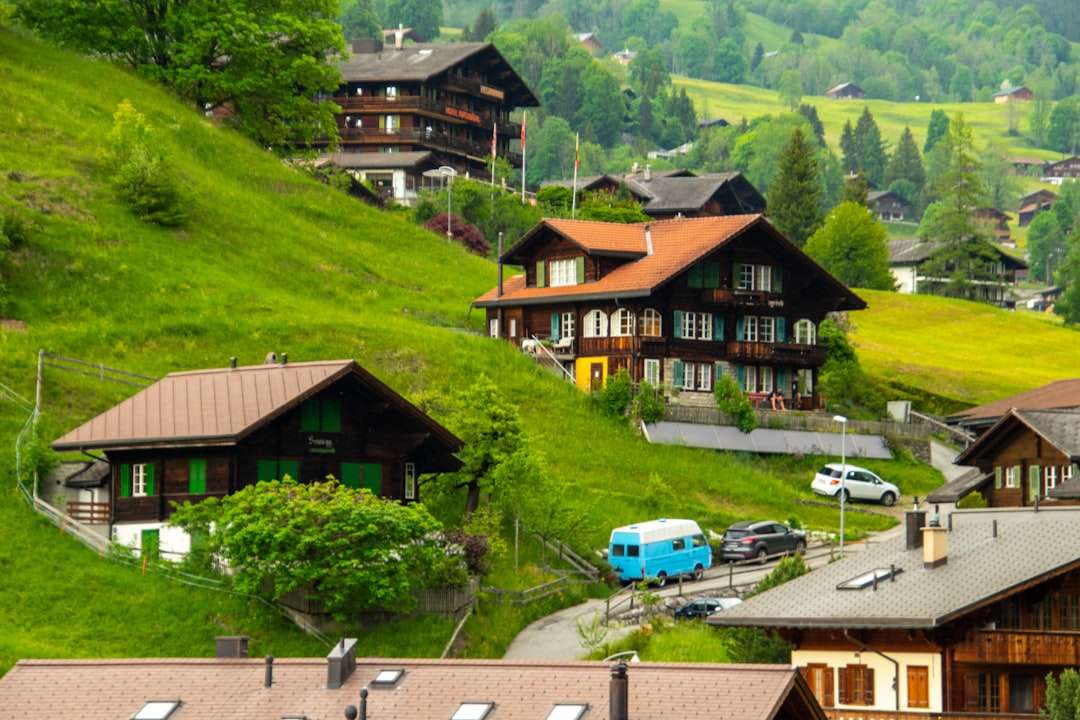
Living Expenses for Expats in Switzerland
Switzerland, often praised for its stunning landscapes and high quality of life, attracts many expats from around the globe. However, living in this Alpine paradise comes with a price. Understanding the cost of living is essential for anyone planning to move to Switzerland and manage their budget effectively. This guide provides an in-depth look into the various expenses you can expect, including housing, groceries, and utilities.
Housing Costs in Switzerland
Housing is typically the largest expense for expats in Switzerland. Depending on the city you choose, rental prices can vary significantly. Larger cities like Zurich and Geneva are known for their pricey real estate, while smaller towns may offer more affordable options.
- Zurich: Expect to pay between CHF 2,000 and CHF 4,000 for a one-bedroom apartment in the city center, though prices can be slightly lower in the suburbs.
- Geneva: Similar to Zurich, rent can range from CHF 1,800 to CHF 3,500 for a comparable apartment.
- Bern and Basel: These cities offer slightly more affordable housing, with rents starting at CHF 1,500 for a modest one-bedroom flat.
While living further from city centers can reduce costs, it may require considering public transportation expenses.
Grocery and Dining Expenses
Switzerland's reputation for high living costs is also evident in food prices. Grocery shopping can be pricey, but smart shopping can help you manage your budget.
- Shopping at discount supermarkets such as Lidl or Aldi can reduce your weekly grocery bill.
- Local markets offer fresh produce, often at competitive prices, adding variety to your diet while supporting local farmers.
- Dining out is generally expensive, with meals at an average restaurant costing around CHF 20 to CHF 40 per person.
Cooking at home is a cost-effective way to enjoy Switzerland's array of fresh, local ingredients.
Utilities and Other Living Expenses
Utilities in Switzerland, including electricity, water, and heating, typically range from CHF 150 to CHF 300 per month for a standard apartment. Internet and mobile phone costs can add an additional CHF 50 to CHF 100 per month.
Transportation costs are another consideration. The Swiss transportation system is efficient and well-connected, with monthly public transport passes costing around CHF 75 to CHF 150, depending on the region and travel frequency.
Healthcare in Switzerland
Healthcare expenses can be significant, as Switzerland requires all residents to have health insurance. Monthly premiums range from CHF 200 to CHF 300 for basic coverage, depending on the provider and deductible options. Nevertheless, the healthcare quality justifies these costs, with access to exceptional medical facilities and services.
Education and Childcare Costs
For expats with families, education and childcare costs are another major expenditure. Public schools are free, but international schools can be quite costly, with fees reaching up to CHF 30,000 annually. Childcare for younger children can range from CHF 1,000 to CHF 2,500 per month.
Despite these costs, Switzerland's education system is renowned for its high standards and multilingual options, making it an attractive choice for expat families.
Making the Most of Your Expat Experience
While Switzerland is one of the more expensive countries to live in, careful budgeting and lifestyle adjustments can help you enjoy life to its fullest. Engaging in community activities and exploring the country's natural beauty can be rewarding ways to enhance your experience without breaking the bank.
FAQs about Living in Switzerland as an Expat
How can I find affordable housing in Switzerland?
Consider areas outside of major city centers or look for housing cooperatives that offer reasonable rent. Networking with local communities and expat forums can also provide valuable tips for finding affordable accommodations.
Is it easy to get around Switzerland without a car?
Yes, Switzerland's public transport system is excellent, making it easy to travel without a car. Buses, trains, and trams operate regularly, covering even remote areas effectively.
What are some cost-saving tips for groceries?
Shop at discount supermarkets like Lidl or Aldi, and visit local farmers’ markets for fresh produce at reasonable prices. Buying in bulk and planning meals in advance can also help reduce costs.
Are there any hidden costs I should be aware of?
Apart from rent and basic living expenses, consider costs such as TV licensing fees, local taxes, and health insurance premiums in your overall budget planning.
Is it necessary to learn the local language?
While many Swiss speak English, learning the local language can significantly enhance your experience, making it easier to integrate and connect with the community.
Takeaway: Budgeting for Life in Switzerland
Living in Switzerland offers an unmatched quality of life surrounded by breathtaking landscapes. While it's undoubtedly expensive, understanding and planning for the costs can make settling in as an expat much smoother. Employing strategic budgeting and embracing local life will help you enjoy everything this beautiful country has to offer.
Comments
No comments yet. Be the first to share your thoughts!